pacify+

This project explores a smart pacifier concept designed to support early respiratory illness detection in infants and young children. By leveraging a smartphone’s built-in microphone, the system offers a non-intrusive, accessible way for parents and caregivers to track breathing patterns, reduce reliance on multiple wearables, and promote healthier pacifier habits. The concept aims to create an affordable, practical tool that seamlessly integrates into daily caregiving routines.
The Ask
Respiratory diseases are a major cause of illness and death worldwide, with infants particularly vulnerable. Abnormal respiratory rate is often the earliest warning sign, yet current monitoring solutions are expensive, intrusive, or require multiple wearables.
The Design
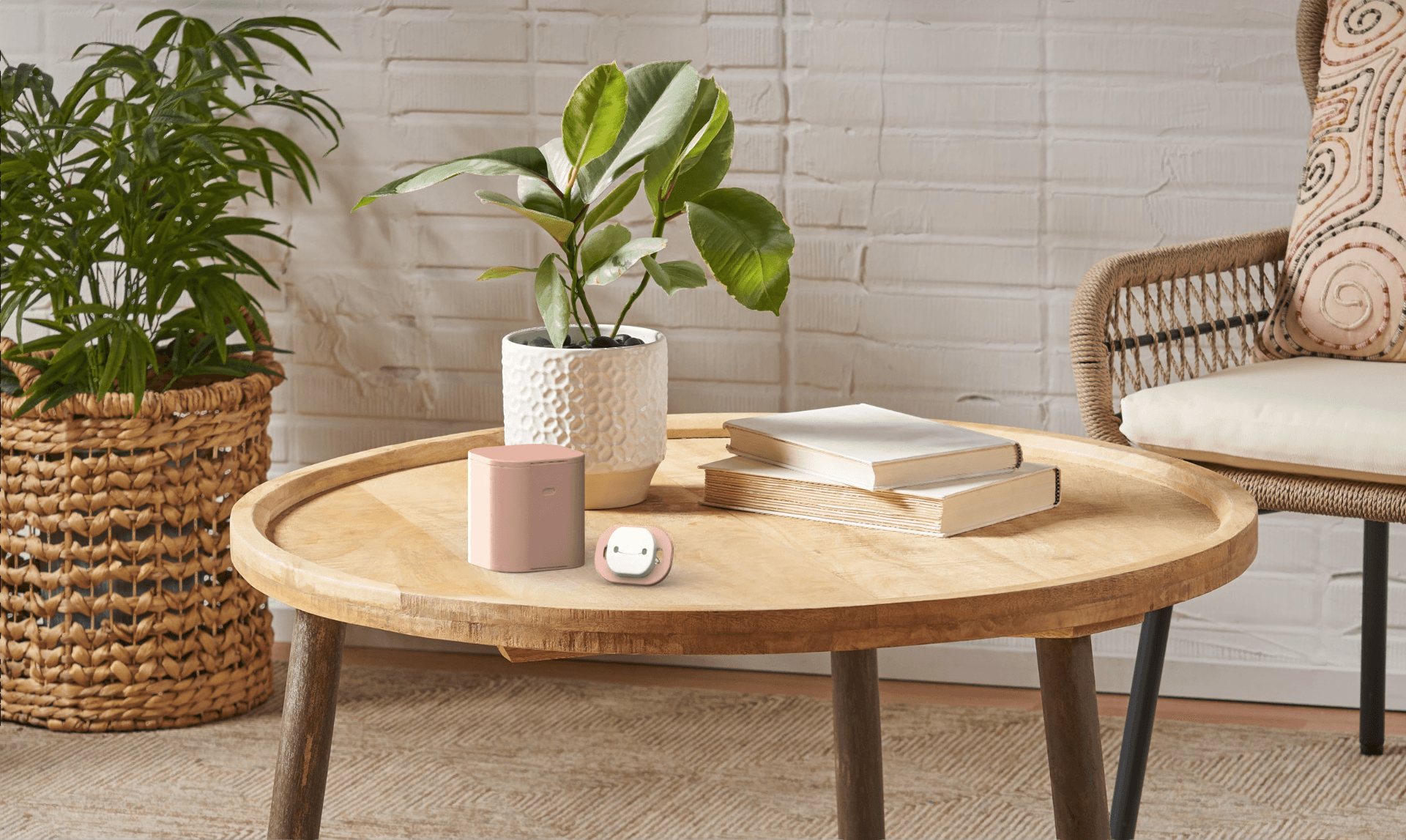
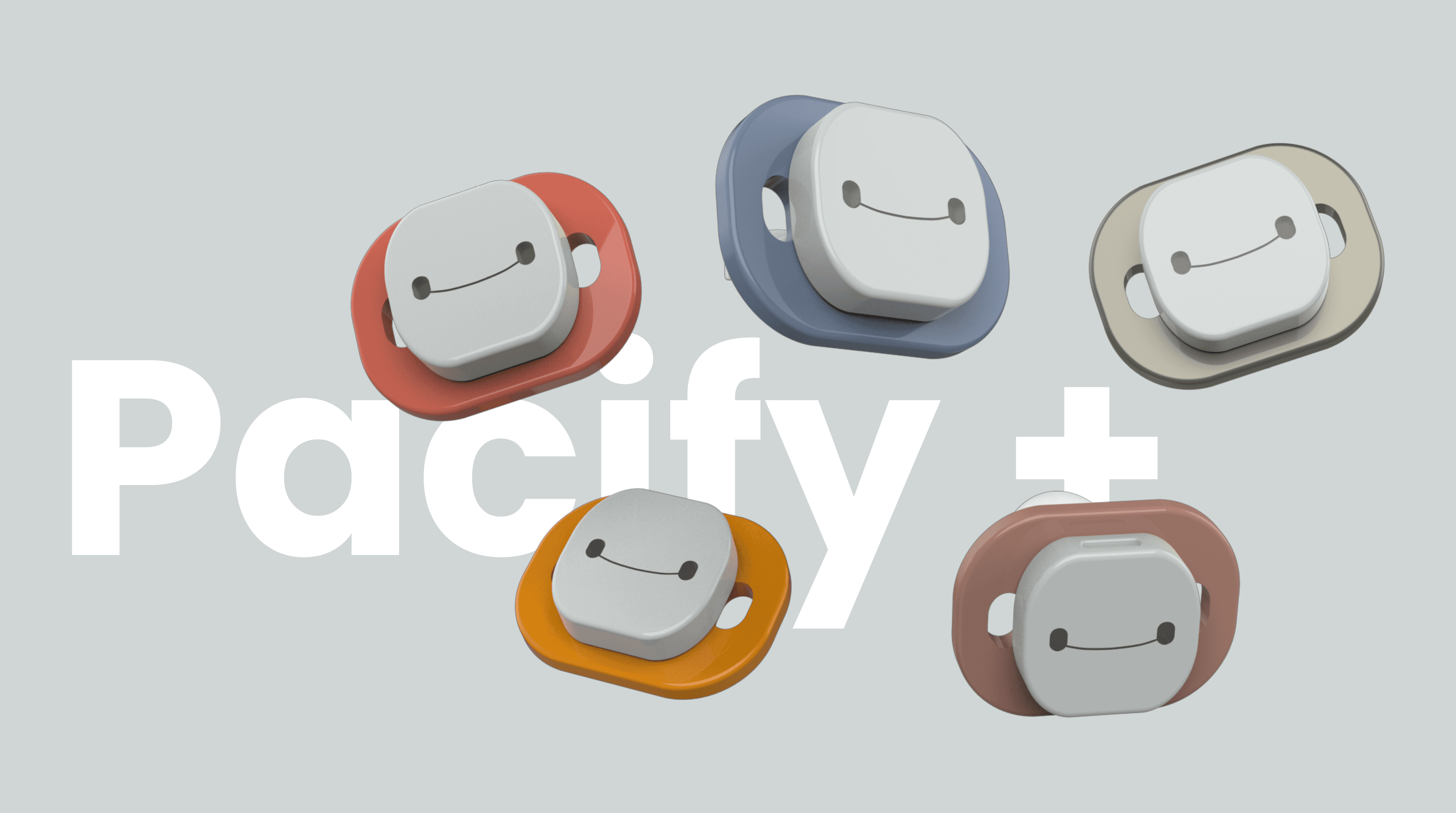
This smart pacifier concept provides an accessible, dual-purpose alternative by integrating respiratory monitoring into an object infants already use. By utilizing the built-in microphones of smartphones, the system can detect abnormal breathing patterns without additional hardware, reducing cost, friction, and the need for multiple devices. At the same time, it encourages healthier pacifier habits through guided usage, helping caregivers intervene early in both respiratory and developmental concerns.
the development
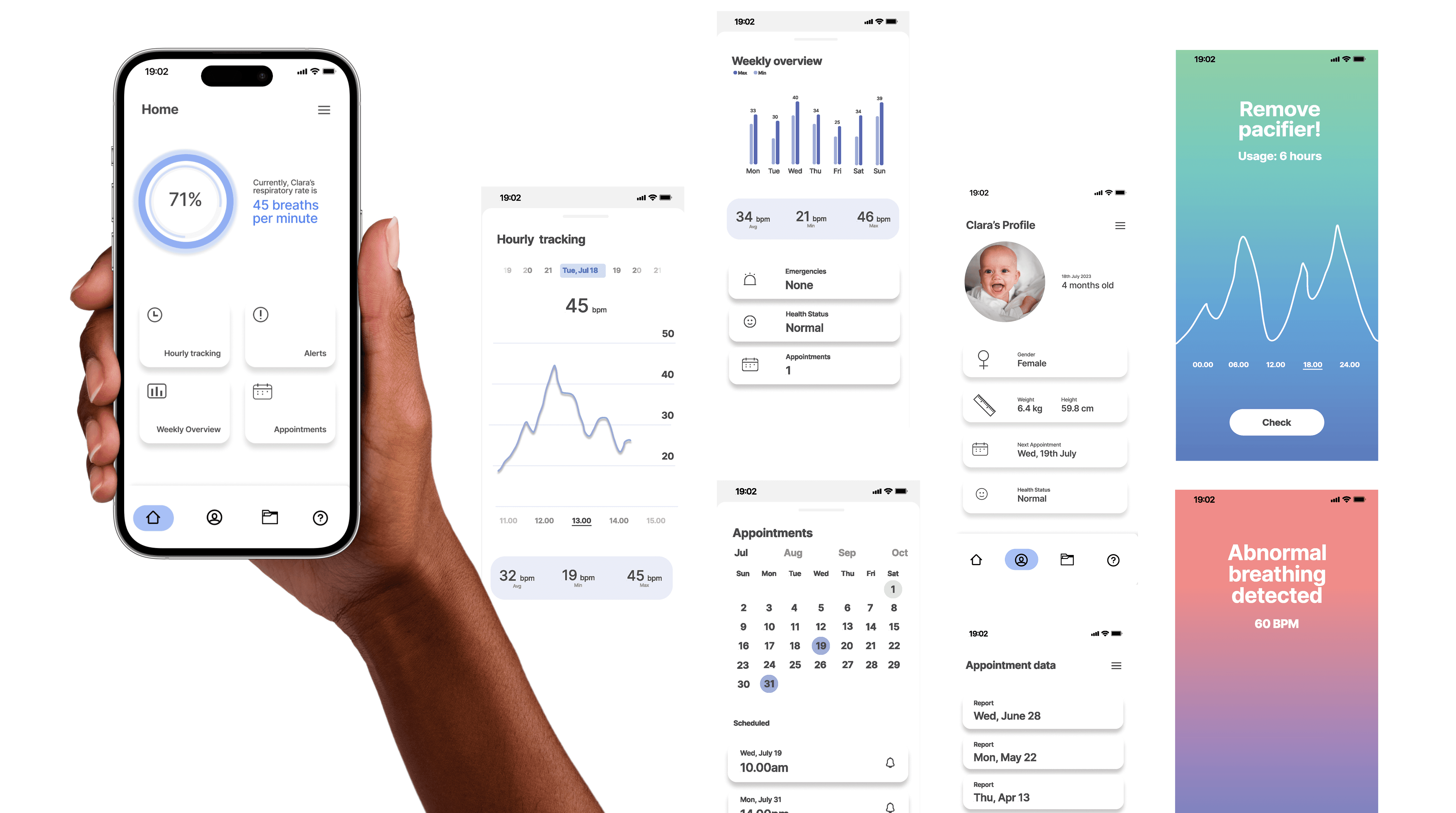
The concept was built through extensive research into infant respiratory illnesses, current monitoring devices, and the drawbacks of existing pacifiers and wearables. I explored how smartphone microphones could reliably detect breathing patterns. Early sketches and system maps defined how the pacifier would integrate with a mobile app, promote healthy usage, and streamline data for caregivers. The development focused on creating a solution that was realistic, medically informed, and grounded in everyday parenting behavior.
the takeaway
This project taught me how to design for highly sensitive user groups where safety, empathy, and practicality must equally shape the solution. It strengthened my ability to merge research-backed technology with familiar, comforting objects to minimize friction for both children and caregivers. Ultimately, it reinforced the value of designing health tools that adapt to existing habits rather than expecting users to adopt entirely new systems.
EXPLORE OTHER PROJECTS

let’s make your design shine
Collaborate with me to create work that captures your vision and resonates with your users